
In a world that seems to be constantly rushing, slow living offers a refreshing alternative. It is a lifestyle choice that encourages individuals to embrace mindfulness, prioritize quality over quantity, and live in a way that is sustainable and fulfilling. But what exactly is slow living, and how can you incorporate it into your daily life? This guide will take you through everything you need to know about slow living, from its core principles to practical ways you can embrace it.
Introduction to Slow Living
What is Slow Living?
Slow living is a lifestyle philosophy that encourages individuals to live more intentionally, focusing on quality rather than quantity. It is about taking the time to enjoy life’s simple pleasures, from savoring a meal to spending quality time with loved ones. Unlike the fast-paced, always-on lifestyle that modern society promotes, slow living is about embracing a more relaxed and thoughtful approach to daily life.
The Origins and Philosophy of Slow Living
The concept of slow living originated from the Slow Food movement in Italy in the 1980s, which aimed to counteract the rise of fast food culture. Since then, it has evolved to encompass various aspects of life, including slow fashion, slow travel, and sustainable living. At its core, slow living is about mindfulness, sustainability, and living with intention.
The Core Principles of Slow Living
Mindfulness and Presence
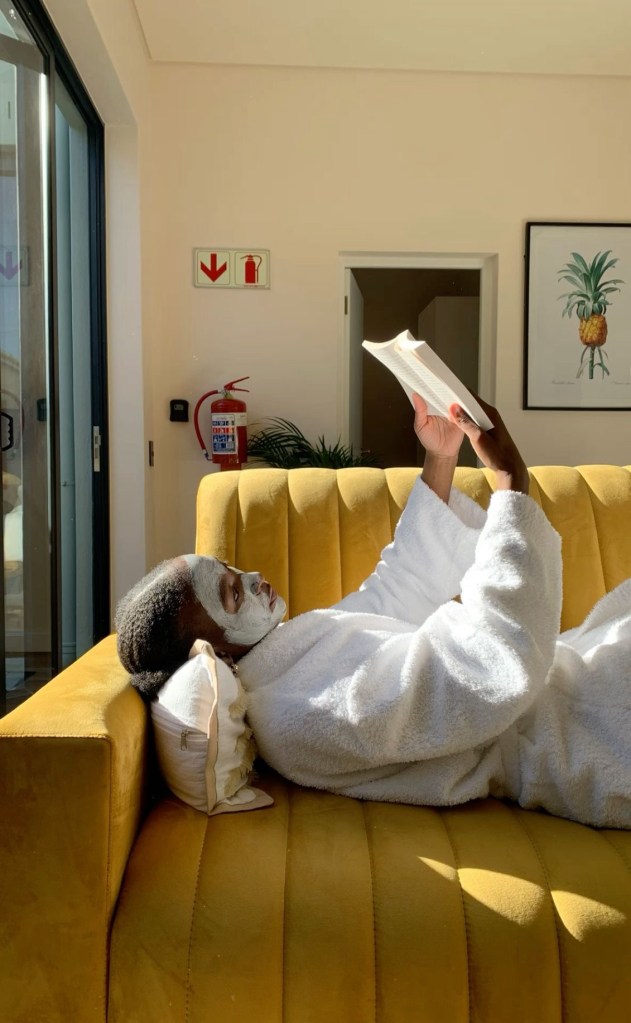
One of the fundamental aspects of slow living is mindfulness. This means being fully present in each moment, whether you are enjoying a cup of tea, engaging in a conversation, or spending time in nature. Mindfulness helps reduce stress and increases appreciation for life’s simple joys.
Prioritizing Quality Over Quantity

Slow living encourages individuals to focus on quality rather than quantity. This applies to all areas of life, from the possessions you own to the relationships you maintain. Instead of accumulating more, slow living promotes having fewer, better-quality items and deeper, more meaningful connections.
Sustainable Living Practices

Sustainability is a key principle of slow living. This means making environmentally conscious choices, such as reducing waste, supporting local businesses, and opting for eco-friendly products. Sustainable living aligns with the slow living philosophy of being mindful of your impact on the world.
Intentional Living: Making Thoughtful Choices
Intentional living is about making choices that align with your values and goals. Instead of being swept up in the hustle of everyday life, slow living encourages you to be deliberate in how you spend your time, money, and energy.
The Benefits of Adopting Slow Living
Reduced Stress and Anxiety
By slowing down and focusing on the present moment, slow living can significantly reduce stress and anxiety. It allows you to disconnect from constant distractions and embrace a calmer, more relaxed mindset.
Enhanced Mental and Physical Health
Slow living promotes a healthier lifestyle by encouraging you to prioritize self-care, eat nourishing foods, and maintain a balanced routine. This, in turn, can improve both your mental and physical well-being.
Deeper Connections with Loved Ones
Slow living encourages meaningful relationships. By spending quality time with family and friends, engaging in heartfelt conversations, and being fully present, you can build stronger bonds with the people you care about.
Environmental Benefits
Choosing a slow living lifestyle also benefits the planet. By consuming less, choosing sustainable products, and being mindful of your ecological footprint, you contribute to a healthier environment.
How to Start a Slow Living Lifestyle
Decluttering Your Space
Start your slow living journey by decluttering your home. Let go of items you no longer need and create a space that feels calm and peaceful. A clutter-free environment promotes a clearer mind.
Embracing Minimalism

Minimalism goes hand-in-hand with slow living. Focus on owning fewer, high-quality items that truly add value to your life, rather than accumulating unnecessary possessions.
Mindful Consumption: Buying Less but Better
Slow living encourages thoughtful spending. Instead of impulsive purchases, invest in items that are durable, sustainable, and bring you joy.
Slow Food Movement: Eating with Awareness

Enjoy meals mindfully, savoring each bite, and choosing seasonal, locally sourced ingredients. Slow food is not just about eating; it is about appreciating the process of cooking and sharing a meal.

 THE BLACK GIRL'S LIFE
Leave a comment